Open Concept Kitchens: Designing for Flow and Functionality
The Appeal of Open Concept Kitchens in Modern Homes
Open concept kitchens have become a hallmark of contemporary home design, appealing to homeowners for a variety of reasons. At the heart of this appeal is the desire for a more connected living space that promotes interaction among family members and guests. In an era where socializing often revolves around food and cooking, an open layout allows for seamless communication and engagement. Whether you’re preparing a meal, entertaining guests, or supervising children playing in the living room, an open concept kitchen fosters a sense of togetherness that traditional layouts often lack.
Moreover, open concept kitchens can enhance the overall aesthetic of a home. The absence of walls creates a more spacious feel, allowing natural light to flow freely throughout the area. This can make even smaller homes feel larger and more inviting. Additionally, the integration of the kitchen with living and dining spaces allows for creative design opportunities, enabling homeowners to curate a cohesive style that reflects their personal taste. The trend has transcended mere functionality; it has evolved into a lifestyle choice that emphasizes openness, warmth, and unity.
Another aspect of the appeal lies in the versatility that open concept kitchens offer. Homeowners can easily adapt the space to suit their needs, whether that means adding an island for extra seating, incorporating a breakfast nook, or designing a multi-functional area that serves as a workspace. This flexibility is particularly valuable in today’s fast-paced world, where the lines between work and home life are increasingly blurred. An open layout allows for a dynamic environment that can evolve with the changing needs of its inhabitants.
Brief History of the Open Concept Trend
The open concept kitchen is not a new phenomenon; its roots can be traced back to the mid-20th century. Initially, the trend gained traction in the post-World War II era, when the demand for affordable housing surged. Builders began to favor designs that maximized space and efficiency, leading to the creation of the now-familiar open layout. The idea was to eliminate unnecessary barriers and create a more functional flow between the kitchen, dining, and living areas.
As the decades progressed, the open concept kitchen continued to evolve, influenced by changing societal norms and lifestyle preferences. The 1970s and 1980s saw a surge in family-oriented designs, where kitchens became the heart of the home. This shift reflected a growing emphasis on family interaction and communal living, as well as a departure from the traditional, compartmentalized layouts that had dominated earlier architectural styles.
By the 1990s and into the 2000s, the open concept kitchen became synonymous with modernity and luxury. It was featured prominently in home renovation shows and design magazines, further embedding it into the cultural consciousness. Today, it is often considered a standard feature in new home construction, illustrating a shift in how we view the kitchen—not just as a place for cooking, but as a central hub for family life.
Benefits of Open Concept Design
The advantages of open concept kitchens are manifold, making them a popular choice for homeowners looking to enhance their living spaces. One of the primary benefits is the increased sense of space and light. By removing walls, natural light can flow freely, illuminating the kitchen and adjoining areas. This not only creates a brighter atmosphere but also contributes to a more inviting environment. The visual continuity of an open layout can make even smaller homes feel more expansive, which is particularly appealing in urban settings where space is at a premium.
Another significant benefit is the enhanced functionality that an open concept design provides. This layout allows for easier movement between spaces, making it more convenient for multitasking. Home cooks can interact with guests or family members while preparing meals, fostering a more inclusive atmosphere. The integration of the kitchen with dining and living areas also encourages a more casual approach to entertaining, as hosts can engage with their guests without being isolated in a separate room.
Additionally, open concept kitchens can add value to a home. In today’s real estate market, many buyers are looking for modern, flexible spaces that can accommodate a variety of lifestyles. An open layout is often seen as a desirable feature, making properties with such designs more attractive to potential buyers. This can translate into a higher resale value, making it a smart investment for homeowners considering renovations.
Lastly, open concept kitchens can serve as a blank canvas for creative design. Homeowners have the freedom to select finishes, colors, and furnishings that create a cohesive aesthetic. This flexibility allows for personalization, enabling individuals to express their unique style while ensuring that the space remains functional and inviting.
Designing an Open Concept Kitchen
Designing an open concept kitchen requires careful consideration to ensure that the space is both functional and aesthetically pleasing. The first step involves assessing the layout and flow of the area. Homeowners should consider how they use their kitchen and how it interacts with adjacent spaces. This may involve creating distinct zones for cooking, dining, and socializing while maintaining a sense of cohesion throughout the design.
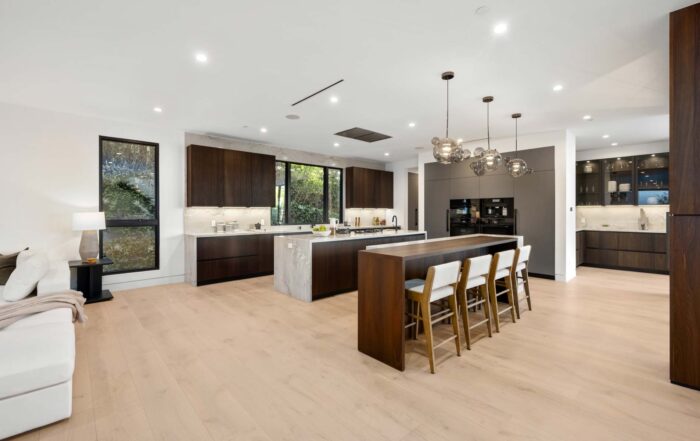
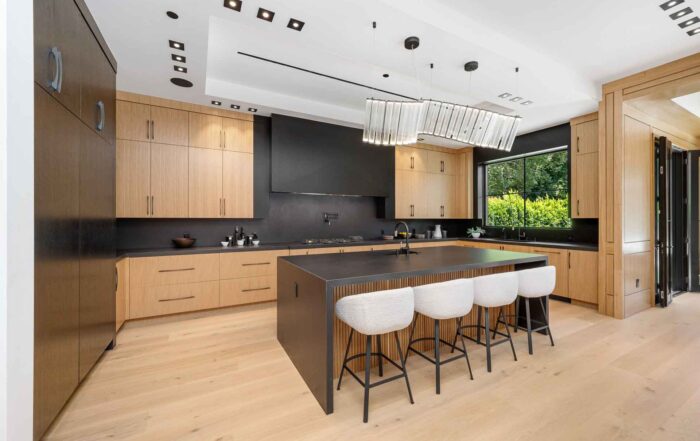
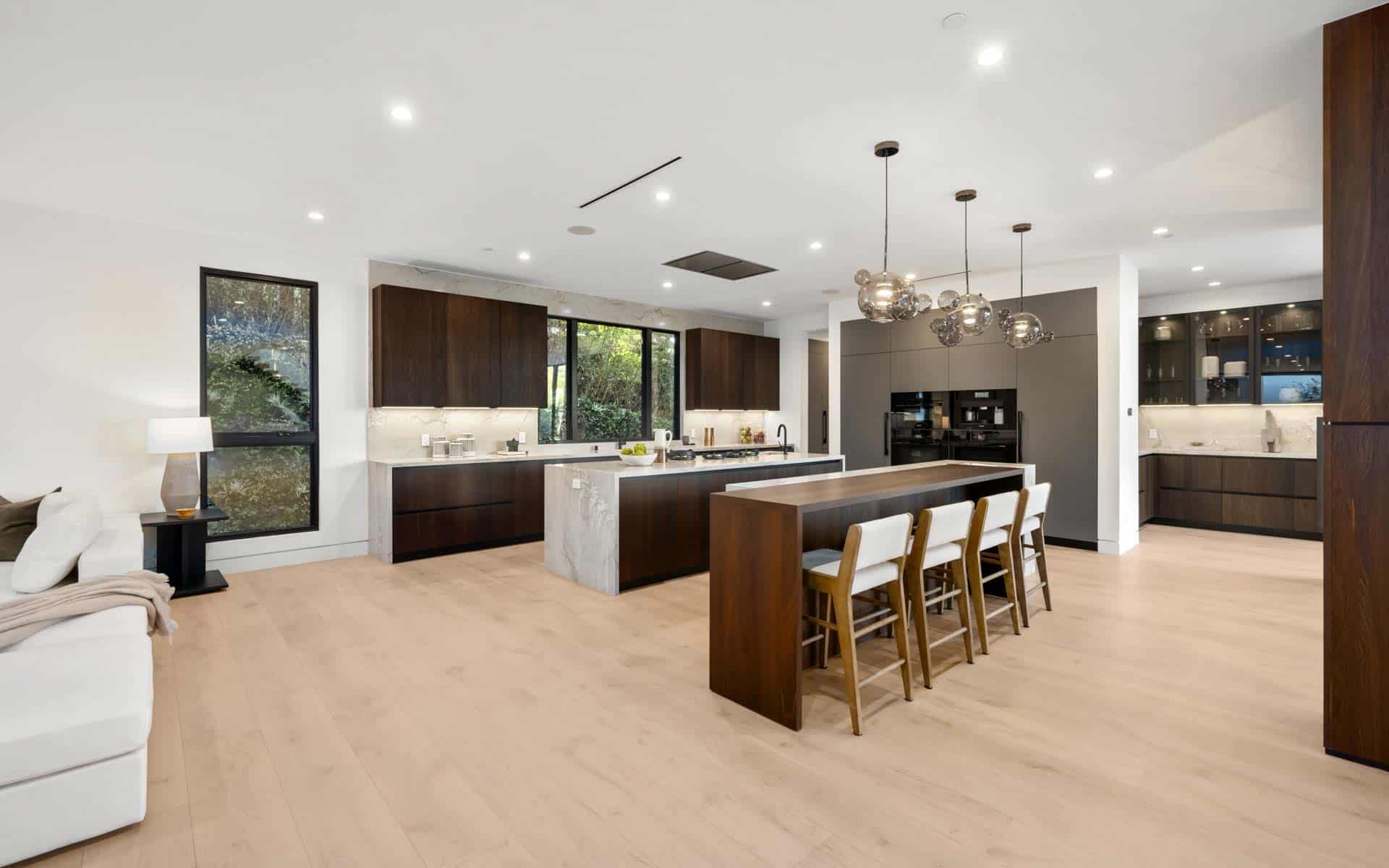
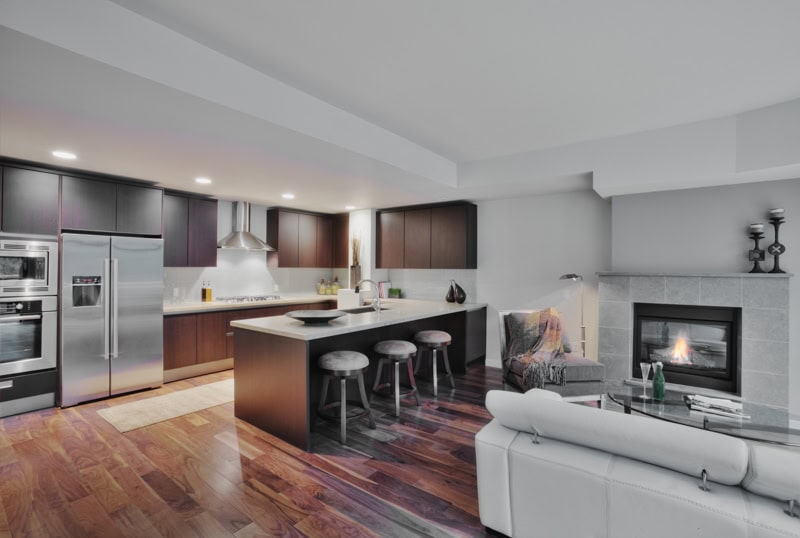
One effective approach is to incorporate an island or a peninsula, which can serve as a natural divider between the kitchen and living areas. This not only provides additional counter space for meal preparation but also offers a convenient spot for casual dining or entertaining. Including seating at the island can transform it into a gathering place, encouraging family and friends to congregate while meals are being prepared.
When selecting materials and finishes, it’s essential to create a harmonious look that ties the kitchen to the rest of the home. This can be achieved through consistent color palettes, cabinetry styles, and flooring choices. For instance, using similar cabinetry in the kitchen and adjacent living areas can create a seamless transition, while complementary color schemes can enhance the overall aesthetic.
Lighting also plays a crucial role in the design of an open concept kitchen. A combination of ambient, task, and accent lighting can help define different areas within the space while ensuring that it remains functional and inviting. Pendant lights over the island can serve as a focal point, while recessed lighting can provide overall illumination.
Finally, storage solutions should be prioritized in the design process. Open concept kitchens can sometimes feel cluttered if not carefully planned, so incorporating smart storage solutions, such as built-in shelving, pull-out drawers, and concealed cabinetry, can help maintain organization and keep the space looking tidy.
Balancing Style and Functionality
While the allure of an open concept kitchen often lies in its aesthetic appeal, it’s crucial to strike a balance between style and functionality. Homeowners should prioritize their needs and lifestyle when designing the space, ensuring that it meets practical requirements without sacrificing visual appeal. For instance, while open shelving can create an airy and modern look, it may not be the most practical choice for those who prefer a clutter-free environment. In such cases, closed cabinetry can offer a more streamlined appearance while still providing ample storage.
Another consideration is the choice of appliances and fixtures. Opting for high-quality, energy-efficient appliances can enhance both functionality and style. Stainless steel finishes, for example, can complement a variety of design aesthetics while providing durability and ease of maintenance. Similarly, selecting fixtures that match the overall design theme can elevate the space without compromising usability.
It’s also important to consider the flow of traffic within the open concept kitchen. The layout should facilitate easy movement between the kitchen, dining, and living areas, allowing for smooth transitions during meal preparation and entertaining. This can be achieved through thoughtful placement of furniture, ensuring that pathways remain clear and accessible.
Additionally, incorporating elements that enhance comfort and usability, such as adjustable lighting, ergonomic workspaces, and comfortable seating, can significantly improve the overall experience of the open concept kitchen. By focusing on both style and functionality, homeowners can create a space that is not only visually stunning but also practical for everyday use.
Recap of the Advantages of Open Concept Kitchens
In summary, open concept kitchens offer a range of advantages that make them an appealing choice for modern homeowners. The sense of space and light they provide can transform the atmosphere of a home, making it feel more inviting and connected. The enhanced functionality of an open layout promotes interaction and engagement, allowing family members and guests to enjoy each other’s company while meals are being prepared.
Furthermore, open concept kitchens can increase a home’s resale value, making them a smart investment for those considering renovations. The flexibility of design allows for personalization, enabling homeowners to create a space that reflects their unique style while ensuring it remains practical and functional.
As we’ve explored, designing an open concept kitchen requires careful consideration of layout, materials, lighting, and storage solutions. Striking a balance between style and functionality is essential to create a space that not only looks beautiful but also meets the demands of daily life.
Encouragement to Consider Open Layouts in Kitchen Renovations
If you’re contemplating a kitchen renovation, now is the perfect time to consider embracing an open concept layout. The benefits of such a design extend beyond mere aesthetics; they create a more functional and enjoyable living environment that can enhance your lifestyle. Whether you’re entertaining guests, spending quality time with family, or simply enjoying the process of cooking, an open concept kitchen can transform your home into a welcoming and dynamic space.
As you embark on your renovation journey, keep in mind the importance of thoughtful planning and design. Take the time to assess your needs, envision your ideal space, and collaborate with professionals who can help bring your vision to life. With careful consideration and creativity, you can create an open concept kitchen that not only meets your functional requirements but also becomes the heart of your home—a space where memories are made, and connections are fostered.
In conclusion, the open concept kitchen trend is more than just a design choice; it represents a shift in how we live and interact within our homes. By prioritizing flow, functionality, and style, you can create a space that is both beautiful and practical, ultimately enriching your everyday living experience.