The Power of Color: How Modern Palettes Can Revitalize Your Kitchen
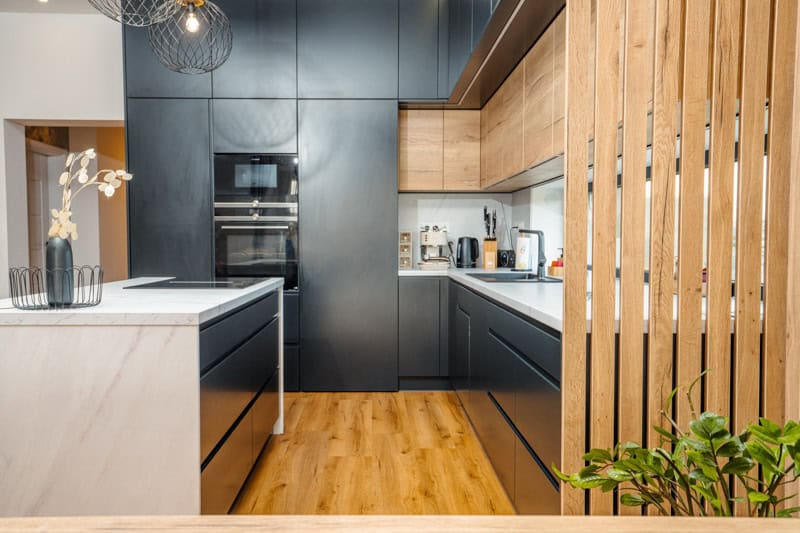
The kitchen is often considered the heart of the home, a space where culinary creativity flourishes and families gather to share meals and memories. A well-designed kitchen not only enhances functionality but also reflects the personality and style of its inhabitants. One of the most impactful elements in kitchen design is color. The right palette can transform the atmosphere of your kitchen, making it feel more inviting, energetic, or serene. In this section, we will explore the power of color in kitchen design, delve into modern color trends, and provide practical tips for incorporating color into your space.
Importance of Color in Kitchen Design
Color plays a pivotal role in the overall aesthetic and functionality of a kitchen. It can influence mood, perception, and even behavior. For instance, warm colors like red and orange can stimulate appetite and conversation, making them ideal for family-oriented spaces. Conversely, cooler hues such as blue and green can evoke calmness and tranquility, perfect for creating a serene cooking environment. The right color scheme can also enhance the perceived size of a kitchen; lighter shades can make a small kitchen feel more spacious, while darker tones can add depth and intimacy to larger areas.
Moreover, color can act as a unifying element in a kitchen design. It can tie together various design components, from cabinetry and countertops to appliances and decor. A cohesive color palette can create a harmonious flow between the kitchen and adjacent living spaces, enhancing the overall aesthetic of your home. As trends evolve, homeowners are increasingly recognizing the importance of color in kitchen design, seeking palettes that resonate with their personal style while also reflecting contemporary aesthetics.
Brief Overview of Modern Color Trends
In recent years, modern color trends have shifted towards more adventurous and bold choices. While classic whites and neutrals remain popular, many homeowners are now embracing rich jewel tones, earthy hues, and even playful pastels. Shades like deep emerald green, navy blue, and burnt orange are making a statement, offering a refreshing departure from traditional kitchen colors. Additionally, the trend of mixing and matching colors is gaining traction, allowing for unique and personalized designs that reflect individual tastes.
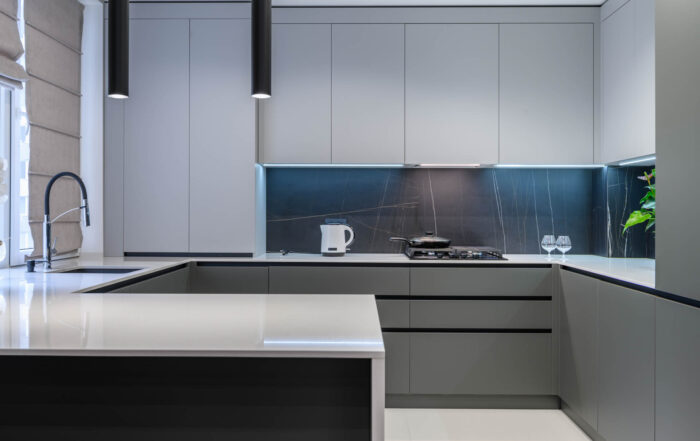
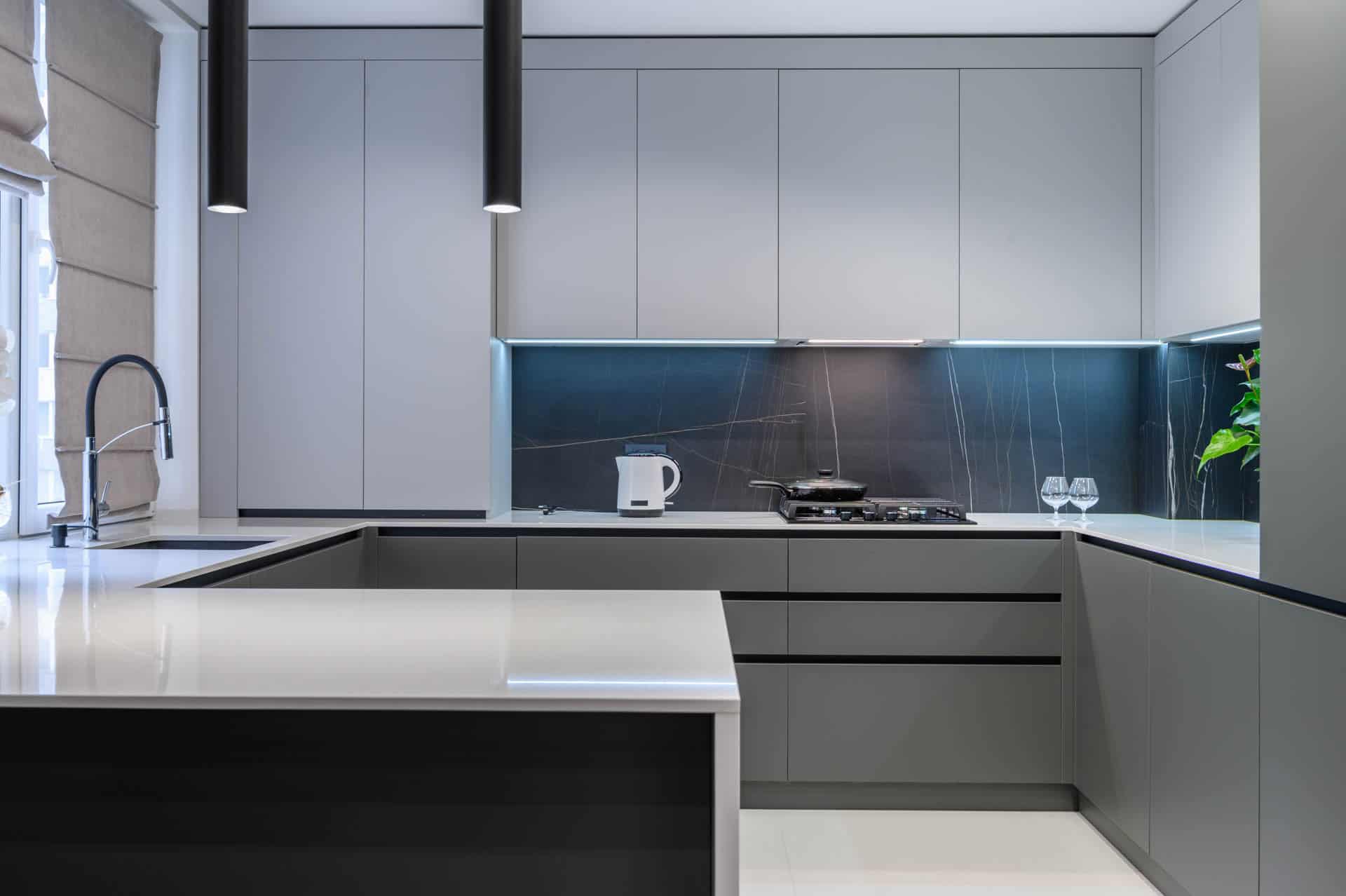
Another notable trend is the use of two-tone cabinetry, where upper and lower cabinets are painted in contrasting colors. This approach not only adds visual interest but also allows homeowners to experiment with bolder shades without overwhelming the space. Furthermore, the incorporation of natural colors inspired by the outdoors—such as muted greens, browns, and soft grays—aligns with the growing interest in sustainability and biophilic design, creating a connection between indoor and outdoor environments.
Understanding Color Psychology
To effectively utilize color in kitchen design, it’s essential to understand color psychology—the study of how colors affect human behavior and emotions. Different colors evoke different feelings and associations, which can significantly impact the kitchen experience. For example, yellow is often associated with happiness and energy, making it a great choice for a lively kitchen where families gather. On the other hand, green is linked to health and tranquility, making it suitable for kitchens focused on fresh ingredients and healthy cooking.
Neutral colors, such as beige and gray, offer versatility and can serve as a backdrop for bolder accents. They create a calming atmosphere while allowing other design elements to shine. It’s also important to consider the lighting in your kitchen, as natural and artificial light can alter the perception of color. Choosing the right hue involves not only personal preference but also an understanding of how colors interact with light and space, ensuring that your kitchen feels inviting and functional.
Modern Color Trends
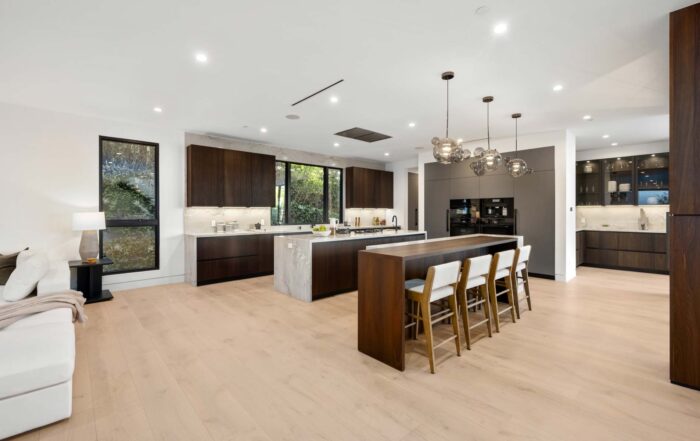
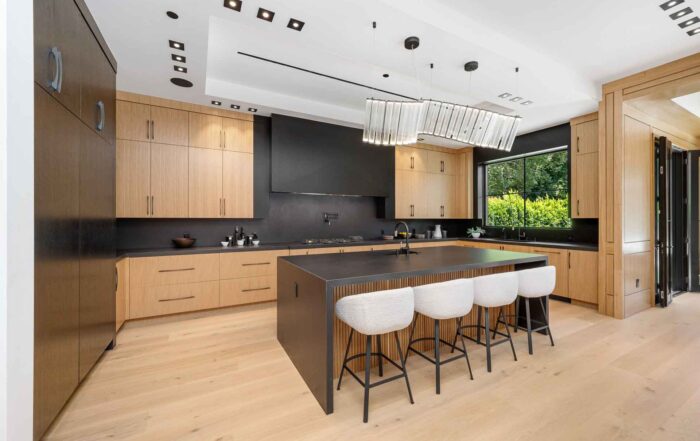
As we delve deeper into modern color trends, it becomes clear that the kitchen is no longer confined to a single color scheme. The rise of eclecticism in design has paved the way for innovative combinations that celebrate individuality. For instance, pairing a deep navy blue with warm wood tones creates a striking contrast that feels both sophisticated and cozy. Similarly, incorporating metallic accents—such as gold or brass—can elevate a color palette, adding a touch of glamour and modernity.
Pastel colors are also making a comeback, offering a soft and playful aesthetic that can brighten up any kitchen. Shades like mint green, blush pink, and soft lavender can be used as accent colors in cabinetry, backsplash tiles, or decorative elements, creating a cheerful atmosphere. Additionally, the trend of incorporating natural textures and materials—such as stone, wood, and ceramic—complements modern color palettes, enhancing the overall sensory experience of the kitchen.
Incorporating Color Through Design Elements
Incorporating color into your kitchen design can be achieved through various elements, allowing for flexibility and creativity. One effective way to introduce color is through cabinetry. Whether you opt for a bold hue or a subtle shade, colored cabinets can serve as a focal point, drawing the eye and setting the tone for the entire space. If a complete cabinet overhaul isn’t feasible, consider painting or refinishing existing cabinets for a cost-effective update.
Another way to infuse color is through backsplash tiles. A vibrant tile design can act as a statement piece, adding texture and visual interest to your kitchen. Consider using patterned tiles or a unique color combination to create a stunning focal point behind the stove or sink. Additionally, incorporating colorful appliances—such as a retro-style refrigerator or brightly colored cookware—can enhance your kitchen’s personality while making a fun statement.
Don’t overlook smaller design elements, such as kitchen textiles, artwork, and decorative accessories. Colorful dishware, vibrant rugs, and eye-catching wall art can all contribute to the overall color scheme, allowing for easy updates and seasonal changes. By thoughtfully selecting design elements that resonate with your chosen color palette, you can create a cohesive and inviting kitchen that reflects your personal style.
DIY Tips for a Colorful Kitchen Upgrade
For those looking to revitalize their kitchen on a budget, there are plenty of DIY options to incorporate color without a complete renovation. One of the simplest ways to make a significant impact is through paint. A fresh coat of paint on the walls can dramatically change the mood of the space. Consider using a bold color on an accent wall or a softer hue throughout the kitchen for a more subtle approach.
Another DIY option is to update hardware and fixtures. Swapping out cabinet knobs, drawer pulls, and faucets for colorful or uniquely designed alternatives can refresh the look of your kitchen. Additionally, you can add color through open shelving by displaying colorful dishware, cookbooks, or decorative items that align with your chosen palette.
If you’re feeling adventurous, consider creating a colorful feature wall using removable wallpaper or decals. This allows you to experiment with patterns and colors without the commitment of permanent changes. Finally, don’t forget about plants—adding greenery can bring life and color to your kitchen, enhancing the overall atmosphere and promoting a sense of well-being.
Recap of the Transformative Power of Color
In summary, the power of color in kitchen design cannot be overstated. A well-chosen color palette can not only enhance the aesthetic appeal of your kitchen but also influence mood and functionality. By understanding the principles of color psychology and staying informed about modern color trends, homeowners can make informed decisions that reflect their personal style while creating an inviting and harmonious space.
Incorporating color through various design elements—whether it’s cabinetry, backsplash tiles, or decorative accessories—allows for flexibility and creativity in kitchen design. DIY options provide an accessible way to revitalize your kitchen without a complete overhaul, making it easy to embrace color in a way that feels authentic and personal.
Encouragement to Embrace Color in Kitchen Design
As you embark on your kitchen design journey, we encourage you to embrace the transformative power of color. Don’t shy away from bold choices or unique combinations; instead, let your personality shine through your color palette. Whether you prefer soothing neutrals or vibrant hues, the key is to create a space that resonates with you and enhances your culinary experience.
Remember, your kitchen is a reflection of your lifestyle and taste, and color is a powerful tool to express that. By thoughtfully selecting colors that inspire joy and creativity, you can create a kitchen that not only meets your functional needs but also serves as a vibrant backdrop for cherished moments with family and friends. So go ahead—experiment, explore, and enjoy the journey of bringing color into your kitchen design.