Sustainable Kitchen Design: Eco-Friendly Upgrades That Don’t Compromise Style
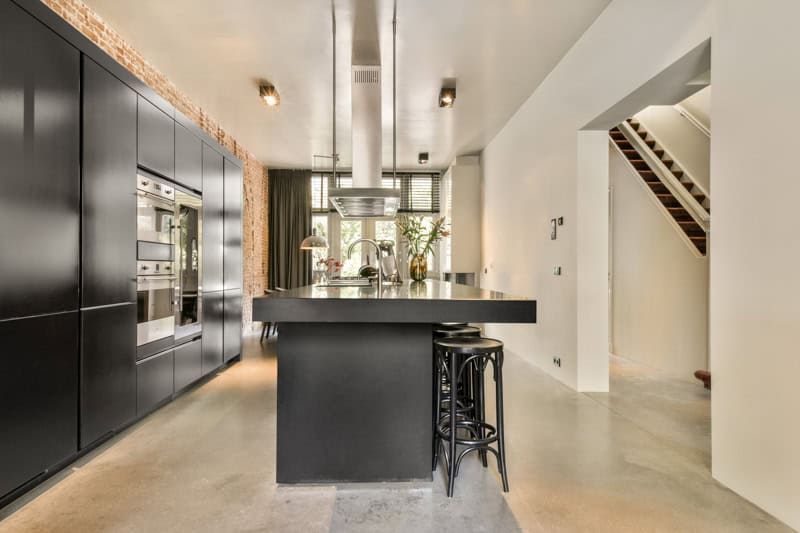
The Growing Importance of Sustainability in Design
In recent years, the importance of sustainability in design has surged to the forefront of consumer consciousness. As environmental concerns continue to escalate, homeowners are increasingly seeking ways to reduce their carbon footprint and incorporate eco-friendly practices into their daily lives. The kitchen, often regarded as the heart of the home, provides an excellent opportunity for sustainable upgrades that not only enhance functionality but also promote a healthier environment. The shift towards sustainable kitchen design reflects a broader cultural movement that prioritizes responsible consumption, resource conservation, and a commitment to future generations.
Sustainable kitchen design is not merely a trend; it represents a fundamental change in how we approach home improvement and renovation. With the rise of eco-conscious consumers, designers and manufacturers are responding by creating products that are both stylish and sustainable. This dual focus allows homeowners to enjoy modern aesthetics while adhering to environmentally friendly principles. By integrating sustainable practices into kitchen design, individuals can create spaces that reflect their values without sacrificing style or comfort.
Moreover, the impact of sustainable design extends beyond individual households. By choosing eco-friendly upgrades, homeowners can contribute to a larger movement that promotes environmental stewardship and social responsibility. The cumulative effect of these choices can lead to significant reductions in energy consumption, waste generation, and resource depletion. As more people embrace sustainable kitchen design, the demand for eco-friendly products and practices will continue to grow, paving the way for a more sustainable future.
Overview of Eco-Friendly Kitchen Trends
The current landscape of kitchen design is rich with eco-friendly trends that cater to diverse tastes and preferences. One prominent trend is the use of open-concept layouts that promote natural light and airflow, reducing the need for artificial lighting and air conditioning. This design choice not only enhances the aesthetic appeal of the kitchen but also contributes to energy efficiency. Additionally, incorporating biophilic design elements, such as plants and natural materials, fosters a connection to nature, creating a calming and inviting atmosphere.
Another trend gaining traction is the integration of multifunctional spaces. Homeowners are increasingly looking for kitchens that serve multiple purposes, such as cooking, entertaining, and working. This shift encourages the use of sustainable materials and design techniques that maximize space while minimizing waste. For instance, modular cabinetry and flexible furniture can adapt to various needs, reducing the need for new purchases and encouraging a more sustainable lifestyle.
Furthermore, the emphasis on locally sourced and organic materials is becoming a defining characteristic of eco-friendly kitchen design. Homeowners are opting for countertops made from reclaimed wood, recycled glass, or bamboo, which not only reduces environmental impact but also adds unique character to the space. Additionally, the trend towards vintage and upcycled furnishings promotes a circular economy, where materials are reused and repurposed rather than discarded.
Sustainable Materials for Kitchen Design
When it comes to sustainable kitchen design, the choice of materials plays a crucial role in achieving both aesthetic appeal and environmental responsibility. Sustainable materials are those that are sourced, manufactured, and disposed of in ways that minimize harm to the planet. One of the most popular options is bamboo, a fast-growing grass that is both durable and renewable. Bamboo can be used for cabinetry, flooring, and countertops, providing a stylish yet eco-friendly alternative to traditional materials.
Reclaimed wood is another excellent choice for sustainable kitchen design. By repurposing old timber, homeowners can reduce the demand for new lumber while adding character and history to their kitchens. Reclaimed wood can be used for everything from cabinets to countertops, creating a warm and inviting atmosphere. Additionally, materials like recycled glass and stainless steel can be incorporated into countertops and backsplashes, offering a sleek and modern look while minimizing waste.
Natural stone, such as granite and quartzite, can also be a sustainable option when sourced responsibly. Homeowners should seek out suppliers who prioritize ethical mining practices and offer stones that are locally sourced to reduce transportation emissions. Furthermore, eco-friendly finishes and paints, which are low in volatile organic compounds (VOCs), can enhance the beauty of kitchen surfaces while improving indoor air quality.
Incorporating sustainable materials into kitchen design not only benefits the environment but also enhances the overall aesthetic of the space. By choosing materials that are both stylish and eco-friendly, homeowners can create a kitchen that reflects their values while providing a functional and beautiful environment for cooking and entertaining.
Energy-Efficient Appliances
Energy-efficient appliances are a cornerstone of sustainable kitchen design, offering significant benefits in terms of energy conservation and cost savings. As technology advances, manufacturers are developing appliances that consume less energy without compromising performance. The ENERGY STAR certification is a reliable indicator of efficiency, and homeowners should prioritize appliances that meet or exceed these standards.
Refrigerators, dishwashers, and ovens are among the most energy-intensive appliances in the kitchen. By selecting ENERGY STAR-rated models, homeowners can reduce their energy consumption and lower utility bills. For instance, modern refrigerators are designed with advanced insulation and energy-saving features that minimize energy use while keeping food fresh. Similarly, energy-efficient dishwashers use less water and electricity per cycle, making them a smart choice for environmentally conscious homeowners.
In addition to energy-efficient appliances, smart technology is making its way into the kitchen, allowing homeowners to monitor and control their energy usage more effectively. Smart thermostats, for example, can optimize heating and cooling based on usage patterns, while smart plugs can track energy consumption for individual appliances. By integrating smart technology into their kitchens, homeowners can make informed decisions about their energy usage and identify opportunities for further savings.
Ultimately, investing in energy-efficient appliances is a win-win for homeowners. Not only do these appliances help reduce environmental impact, but they also lead to long-term financial savings. As energy costs continue to rise, the importance of energy efficiency in kitchen design becomes increasingly evident, making it a critical consideration for any sustainable renovation.
Water Conservation Solutions
Water conservation is an essential component of sustainable kitchen design, particularly in light of growing concerns about water scarcity and the need for responsible resource management. The kitchen is a significant source of water usage in the home, and implementing water-saving solutions can have a substantial impact on overall consumption. One effective approach is the installation of low-flow faucets and aerators, which reduce water flow without sacrificing performance. These fixtures can significantly decrease water usage during cooking and cleaning, making them a practical upgrade for eco-conscious homeowners.
In addition to low-flow fixtures, homeowners can consider installing a dual-flush toilet and a water-efficient dishwasher. Dual-flush toilets offer two flushing options—one for liquid waste and another for solid waste—allowing users to conserve water based on their needs. Similarly, modern dishwashers are designed to use less water per cycle compared to handwashing, making them a more sustainable choice for cleaning dishes.
Another innovative solution for water conservation is the incorporation of greywater systems. These systems recycle water from sinks, showers, and washing machines for use in irrigation and other non-potable applications. By diverting greywater for use in the kitchen garden or landscaping, homeowners can significantly reduce their overall water consumption while promoting sustainable practices.
Finally, educating family members about water conservation habits can further enhance efforts to reduce water usage in the kitchen. Simple practices such as turning off the faucet while washing dishes or using a bowl to rinse fruits and vegetables can make a noticeable difference over time. By combining efficient fixtures, appliances, and mindful habits, homeowners can create a kitchen that prioritizes water conservation without compromising functionality or style.
Creating a Sustainable Kitchen Garden
Incorporating a sustainable kitchen garden is an excellent way to enhance the eco-friendliness of your kitchen while promoting healthy eating and self-sufficiency. A kitchen garden not only provides fresh herbs, vegetables, and fruits but also contributes to biodiversity and promotes a connection to the food we consume. Homeowners can start small by utilizing containers or raised beds, making it easier to manage space and soil quality.
Choosing native and drought-resistant plants can further enhance the sustainability of the kitchen garden. These plants are adapted to local climates and require less water and maintenance, making them ideal for eco-conscious gardeners. Additionally, practicing organic gardening techniques, such as composting and using natural pest control methods, can help reduce the reliance on chemical fertilizers and pesticides, promoting a healthier ecosystem.
Vertical gardening is another innovative approach to creating a sustainable kitchen garden, especially for those with limited space. By utilizing vertical planters or wall-mounted systems, homeowners can grow a variety of herbs and vegetables in a compact area. This method not only maximizes space but also adds visual interest to the kitchen, creating a vibrant and inviting atmosphere.
Furthermore, involving family members in the gardening process can foster a sense of community and responsibility. Children can learn about the importance of sustainable practices while gaining an appreciation for fresh produce. By cultivating a kitchen garden, homeowners can enjoy the satisfaction of growing their own food while contributing to a more sustainable lifestyle.
Summary of Sustainable Design Benefits
The benefits of sustainable kitchen design extend far beyond aesthetic appeal. By incorporating eco-friendly upgrades, homeowners can reduce their environmental impact, conserve resources, and create healthier living spaces. Sustainable design practices contribute to lower energy and water bills, ultimately leading to long-term financial savings. Additionally, many sustainable materials and appliances are built to last, reducing the need for frequent replacements and minimizing waste.
Beyond the tangible benefits, sustainable kitchen design fosters a sense of well-being and connection to the environment. By creating spaces that prioritize natural light, fresh air, and biophilic elements, homeowners can enhance their quality of life and promote a healthier lifestyle. Furthermore, sustainable design aligns with a growing cultural shift towards mindfulness and responsible consumption, allowing individuals to express their values through their living spaces.
As the demand for sustainable products and practices continues to rise, homeowners can take pride in contributing to a larger movement that prioritizes environmental stewardship. By making thoughtful choices in kitchen design, individuals can inspire others to embrace sustainable practices, creating a ripple effect that extends beyond their own homes.
Call to Action for Eco-Conscious Kitchen Upgrades
As the conversation around sustainability becomes increasingly urgent, now is the time for homeowners to take action and embrace eco-friendly kitchen upgrades. Whether you are planning a complete kitchen renovation or simply looking to make small changes, there are numerous opportunities to enhance your space while prioritizing sustainability. From selecting energy-efficient appliances to incorporating sustainable materials and practices, every decision counts.
Start by assessing your current kitchen and identifying areas for improvement. Consider the potential benefits of upgrading to energy-efficient appliances, installing low-flow fixtures, or creating a small kitchen garden. Research local suppliers who offer sustainable materials and products, and don’t hesitate to ask questions about their sourcing and manufacturing practices. By making informed choices, you can create a kitchen that reflects your commitment to sustainability while enhancing the overall aesthetic and functionality of your home.
Additionally, share your journey towards a more sustainable kitchen with friends and family. By spreading awareness and encouraging others to adopt eco-friendly practices, you can contribute to a collective effort that promotes environmental responsibility. Together, we can create a future where sustainability is not just a goal but a way of life.
In conclusion, sustainable kitchen design offers a unique opportunity to combine style with environmental responsibility. By embracing eco-friendly upgrades, homeowners can create beautiful, functional spaces that reflect their values and contribute to a healthier planet. Take the first step towards a more sustainable kitchen today—your home and the environment will thank you.