

Understanding Building Violations in Miami: What Homeowners Need to Know
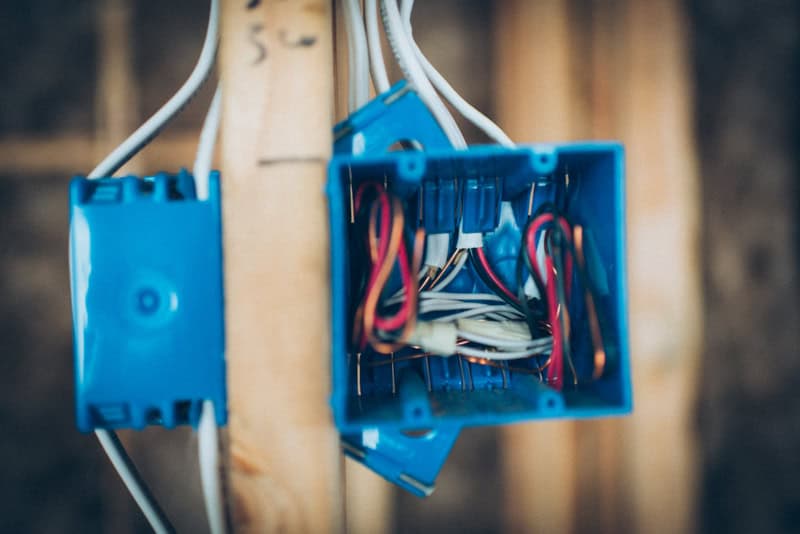
Definition of Building Violations
Building violations refer to any actions or conditions that do not comply with the established building codes, regulations, and standards set forth by local authorities. In Miami, these codes are designed to ensure the safety, health, and welfare of the public by dictating how structures should be built, renovated, and maintained. Violations can stem from various issues, such as unauthorized construction, failure to obtain necessary permits, or deviations from approved plans. Homeowners may inadvertently commit violations by not adhering to these codes, often due to a lack of understanding or oversight during construction or renovation projects.
Building codes in Miami are subject to change and can vary depending on the specific area or neighborhood. As a result, homeowners must stay informed about the regulations that apply to their properties. It is essential to recognize that building violations can lead to significant legal and financial repercussions. Homeowners found in violation of these codes may face fines, mandatory repairs, or even legal action from the city. Therefore, understanding what constitutes a building violation is crucial for any homeowner looking to maintain compliance and protect their investment.
Importance of Compliance with Building Codes
Compliance with building codes is not merely a bureaucratic hurdle; it is fundamental to ensuring public safety and maintaining property values. Building codes are established based on extensive research, expert input, and historical data on construction practices and their impact on safety and livability. By adhering to these codes, homeowners contribute to the overall integrity of their communities. Non-compliance can lead to unsafe living conditions, such as structural failures, electrical hazards, or plumbing issues, which can endanger the occupants of a property.
Moreover, compliance with building codes can significantly affect property resale value. Potential buyers often conduct thorough inspections, and any identified violations can deter offers or lead to reduced sale prices. In Miami’s competitive real estate market, where buyers are increasingly discerning, maintaining compliance can be a critical factor in securing a favorable sale. Additionally, insurance companies may require proof of compliance before issuing policies or providing coverage for certain damages. This highlights the importance of understanding and adhering to local building codes, as non-compliance can lead to financial losses and complications in securing insurance.
Types of Building Violations
Building violations can be categorized into various types, each with its own implications for homeowners. Common types include:
- Structural Violations: These involve unauthorized changes to the structural integrity of a building, such as removing load-bearing walls or altering the foundation without proper permits. Structural violations can pose serious safety risks and may require extensive repairs to rectify.
- Zoning Violations: Zoning laws dictate how land can be used in specific areas. Homeowners may face violations if they use their property for purposes not allowed by local zoning ordinances, such as running a business in a residential zone or exceeding height restrictions.
- Permit Violations: These occur when construction or renovation work is undertaken without obtaining the necessary permits from local authorities. Permit violations are particularly common during DIY projects where homeowners may not be aware of the requirements.
- Code Violations: These encompass a wide range of issues, including non-compliance with electrical, plumbing, or mechanical codes. For instance, using substandard materials or failing to meet safety standards can lead to significant code violations.
- Health and Safety Violations: These violations relate to conditions that could jeopardize the health and safety of occupants. Examples include inadequate ventilation, lack of smoke detectors, or failure to meet sanitation standards.
Understanding the various types of building violations is essential for homeowners to identify potential issues and take proactive measures to ensure compliance. Each category carries its own risks and consequences, making it imperative for homeowners to be vigilant in their property management.
Expired Permits: The Risks and Consequences
Expired permits represent a specific type of building violation that can have serious implications for homeowners. When a permit is issued, it typically comes with a specified timeframe during which the approved work must be completed. If the work is not finished within this timeframe, the permit expires, and the homeowner is left in a precarious position. Continuing to work under an expired permit can lead to fines, halted construction, and the need to reapply for a new permit, which may involve additional fees and delays.
One of the most significant risks associated with expired permits is the potential for legal action from local authorities. Code enforcement officers may issue citations or fines for continuing work without a valid permit, and homeowners could be required to halt any ongoing projects until the necessary permits are obtained. Additionally, if a property is sold while it has an expired permit, the new owner may inherit the violation, leading to complications during the sale process and potential financial liabilities.
Homeowners should regularly check the status of their permits and be proactive in renewing them as necessary. It is also wise to keep thorough records of all permits, inspections, and correspondence with local authorities to demonstrate compliance and mitigate risks associated with expired permits.
Navigating the Code Enforcement Process
Navigating the code enforcement process in Miami can be daunting for homeowners, especially when faced with building violations. The process typically begins when a code enforcement officer identifies a potential violation, either through a complaint or routine inspection. Homeowners may receive a notice of violation outlining the specific issues and the required corrective actions.
Upon receiving a notice, it is crucial for homeowners to respond promptly and address the violations. This may involve obtaining the necessary permits, making repairs, or ceasing any unauthorized work. Homeowners have the right to appeal a violation notice if they believe it is unfounded or if they have taken steps to comply. The appeal process usually requires a formal hearing, during which homeowners can present their case before a code enforcement board.
It is advisable for homeowners to seek legal counsel or consult with professionals experienced in local building codes and regulations when navigating this process. Understanding the specific requirements and timelines involved can help homeowners avoid additional fines and complications. Furthermore, maintaining open communication with code enforcement officers can facilitate a smoother resolution process.
Consequences of Ignoring Violations
Ignoring building violations can lead to severe consequences for homeowners, both legally and financially. One of the most immediate repercussions is the imposition of fines, which can accumulate over time if the violations remain unaddressed. Local authorities may also issue orders to cease work or require immediate compliance, which can disrupt ongoing projects and lead to additional expenses.
In more severe cases, ignoring violations can result in legal action from the city, including lawsuits or liens placed against the property. This can complicate future transactions, such as selling or refinancing the home, as potential buyers or lenders will likely conduct thorough due diligence and uncover any outstanding violations. Additionally, homeowners may face increased insurance premiums or difficulties obtaining coverage if their property is found to be in violation of building codes.
Ultimately, the financial and legal implications of ignoring building violations can far exceed the costs associated with compliance. Homeowners are encouraged to take any notice of violation seriously and prioritize resolving issues in a timely manner to avoid escalating consequences.
Steps to Resolve Building Violations
Resolving building violations requires a systematic approach to ensure compliance and mitigate risks. Homeowners should follow these essential steps:
- Review the Violation Notice: Carefully read the notice of violation to understand the specific issues identified by the code enforcement officer. Take note of any deadlines for compliance and the required corrective actions.
- Conduct a Thorough Inspection: Assess the property to identify the extent of the violation. This may involve consulting with professionals, such as contractors or architects, who can provide insights into necessary repairs or modifications.
- Obtain Necessary Permits: If the violation involves work done without permits, homeowners must apply for the appropriate permits before proceeding with repairs. Ensure that all work is completed according to local building codes.
- Make Required Repairs: Address the identified issues promptly and thoroughly. This may involve hiring licensed contractors to ensure that all work meets safety and quality standards.
- Document Compliance: Keep detailed records of all communications with code enforcement, permits obtained, and repairs made. This documentation can serve as evidence of compliance and may be necessary if there are any disputes in the future.
- Communicate with Authorities: Maintain open lines of communication with local code enforcement officials. Inform them of the steps taken to resolve the violation and request inspections if required to verify compliance.
- Appeal if Necessary: If a homeowner believes the violation notice is unjustified, they may choose to appeal the decision. This process typically involves presenting evidence and arguments to a code enforcement board.
By following these steps, homeowners can effectively address building violations and minimize the associated risks. Proactive engagement with local authorities and a commitment to compliance are key to maintaining a safe and legally sound property.
Conclusion
Understanding building violations in Miami is crucial for homeowners seeking to protect their investments and ensure compliance with local regulations. By familiarizing themselves with the definition of building violations, the importance of adhering to building codes, and the various types of violations, homeowners can take proactive steps to avoid legal and financial repercussions. Addressing expired permits, navigating the code enforcement process, and recognizing the consequences of ignoring violations are integral aspects of responsible homeownership.
Ultimately, the best approach for homeowners is to prioritize compliance and engage with local authorities when issues arise. By taking the necessary steps to resolve building violations, homeowners can safeguard their property, enhance its value, and contribute to the overall safety and integrity of their communities. In a city as vibrant and dynamic as Miami, understanding and adhering to building codes is not just a legal obligation; it is a commitment to fostering a safe and thriving environment for all residents.